
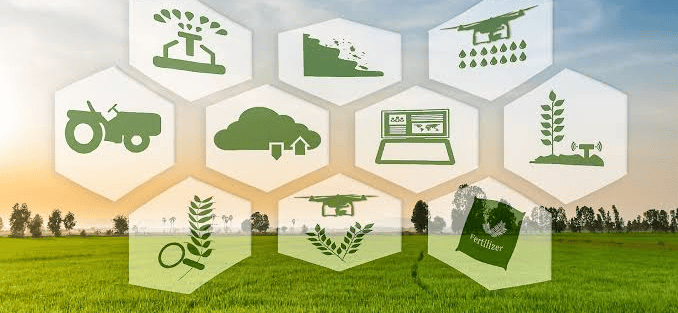
Agriculture is undergoing one of the most significant technological transformations in its history. Increasing global food demand, climate change, supply chain complexity, and rising sustainability requirements are forcing agricultural organizations to rethink how they operate.
Traditional farming systems that rely heavily on paper records, disconnected databases, and manual reporting are no longer sufficient for modern agricultural ecosystems.
The future belongs to organizations that can collect, manage, and utilize trusted agricultural data.
This shift has led to the rapid growth of the Digital Agriculture Platform market, where technology connects farmers, cooperatives, agronomists, processors, exporters, financial institutions, and governments through integrated digital ecosystems.
From digital farmer profiles and farm mapping to traceability and artificial intelligence, digital agriculture platforms are becoming the operational backbone of modern agriculture.
AgroTrack Cloud is part of this transformation, helping agricultural stakeholders build smarter, more transparent, and more connected agricultural value chains.
What Is a Digital Agriculture Platform?
A Digital Agriculture Platform is a technology ecosystem that integrates agricultural data, stakeholders, and processes into a single connected system.
Rather than operating multiple disconnected solutions, organizations can manage their agricultural operations through one platform that supports:
- Farmer registration and onboarding
- Digital farmer profiles
- GPS farm mapping
- Crop monitoring
- Advisory services
- Input distribution management
- Produce traceability
- Agricultural analytics
- Market linkages
- Sustainability reporting
This integrated approach improves efficiency while creating trusted agricultural data that supports better decision-making.
Trend 1: Digital Farmer Identity Is Becoming Essential
One of the biggest trends in agriculture is the rise of digital farmer identity.
Many organizations still lack verified information about the farmers they work with, including production capacity, location, crop history, and farm size.
A modern Farmer Management System creates verified digital farmer profiles that provide visibility into:
- Farmer demographics
- Farm ownership
- Production history
- Crops grown
- Cooperative membership
- Geographic location
- Input usage
- Yield performance
Digital farmer identity creates the foundation for agricultural financing, traceability, advisory services, and market access.
As agricultural ecosystems become increasingly data-driven, farmer visibility will become a strategic necessity.
Trend 2: Farm Mapping Is Becoming Standard Practice
Location intelligence is becoming a core requirement for agricultural management.
Organizations increasingly rely on GPS farm mapping to improve:
- Production planning
- Supply forecasting
- Climate risk assessments
- Field monitoring
- Sustainability reporting
- Traceability compliance
GPS farm mapping software allows stakeholders to visualize agricultural operations and make more informed decisions based on accurate geographic information.
This trend is particularly important for large farmer networks, contract farming programs, and export supply chains.
Trend 3: Agriculture Traceability Software Is Becoming a Requirement
Consumers, retailers, exporters, and regulators increasingly expect transparency regarding the origin and movement of agricultural products.
As a result, Agriculture Traceability Software is rapidly moving from a competitive advantage to an operational requirement.
Modern traceability systems provide:
- Farm-to-fork visibility
- Batch tracking
- Quality records
- Certification monitoring
- QR code traceability
- Compliance reporting
Organizations that invest in traceability improve trust, reduce risk, and strengthen access to premium markets.
Food supply chain transparency is likely to become one of the defining characteristics of future agricultural systems.
Trend 4: Agricultural Data Analytics Is Driving Decisions
Agriculture generates enormous volumes of data.
The challenge is not collecting information but converting it into actionable intelligence.
Digital agriculture platforms increasingly include analytics capabilities that support:
- Yield forecasting
- Production planning
- Input demand analysis
- Farmer segmentation
- Supply forecasting
- Market intelligence
- Sustainability monitoring
Agricultural data analytics helps organizations move from reactive management to proactive decision-making.
Data is becoming one of agriculture’s most valuable assets.
Trend 5: Advisory Services Are Going Digital
Traditional extension systems often struggle to support growing farmer populations.
Digital advisory platforms are helping solve this challenge by providing:
- Crop recommendations
- Weather alerts
- Pest notifications
- Fertilizer guidance
- Best practice training
- Agronomist support
Digital extension services improve scalability while ensuring farmers receive timely and relevant information.
This trend is expected to accelerate significantly over the next decade.
Trend 6: AI and Automation Are Reshaping Agriculture
Artificial intelligence is rapidly becoming one of the most important technologies in agriculture.
AI-powered systems can support:
- Yield prediction
- Pest detection
- Crop health monitoring
- Input optimization
- Risk management
- Automated recommendations
Combined with satellite imagery, sensors, and machine learning, AI is enabling the next generation of precision agriculture.
Future agricultural platforms will increasingly function as intelligent decision-support systems rather than simple databases.
Trend 7: Sustainability Reporting Is Becoming Mainstream
Global agricultural markets increasingly require evidence of sustainability and responsible sourcing.
Organizations are under pressure to monitor:
- Carbon emissions
- Water usage
- Climate-smart farming practices
- Environmental impact
- Farmer livelihoods
- ESG indicators
Digital platforms simplify sustainability reporting by capturing verified field-level information and generating automated reports.
This capability is becoming particularly important for exporters, agribusinesses, and development programs.
Trend 8: Agricultural Ecosystems Are Becoming Connected
Perhaps the most important trend is the movement away from isolated systems toward connected ecosystems.
Modern agriculture requires collaboration between:
- Farmers
- Cooperatives
- Input suppliers
- Agronomists
- Buyers
- Processors
- Financial institutions
- Governments
- Development organizations
Digital agriculture platforms provide the infrastructure needed to connect these stakeholders and facilitate trusted information sharing.
Connected ecosystems improve productivity, transparency, and resilience across the value chain.
What These Trends Mean for Agricultural Organizations
Organizations that embrace digital agriculture will gain significant advantages in:
- Operational efficiency
- Market access
- Supply chain transparency
- Financing opportunities
- Sustainability compliance
- Risk management
- Data-driven decision-making
Meanwhile, organizations that continue relying on fragmented systems may struggle to remain competitive in increasingly transparent and data-driven markets.
Digital transformation is no longer optional.
It is becoming a fundamental requirement for agricultural growth.
Why AgroTrack Cloud Is Positioned for the Future
AgroTrack Cloud was designed around the trends shaping modern agriculture.
The platform combines:
- Digital farmer profiles
- Farmer management system
- GPS farm mapping software
- Agriculture traceability software
- Crop monitoring platform
- Agricultural analytics
- Digital advisory services
- Agricultural marketplace capabilities
By connecting stakeholders through trusted data, AgroTrack Cloud helps organizations build resilient, transparent, and scalable agricultural ecosystems.
Ready for the Future of Digital Agriculture?
The next decade will redefine how agriculture operates.
Organizations that invest in digital infrastructure today will be better positioned to improve productivity, strengthen supply chains, support sustainability, and unlock new market opportunities.
Whether you are a cooperative, agribusiness, government agency, exporter, NGO, or financial institution, AgroTrack Cloud provides the technology foundation needed for modern agriculture.
Request a Demo Today and discover how AgroTrack Cloud can help your organization build the future of connected agriculture.
Visit: www.agrotrackcloud.com