
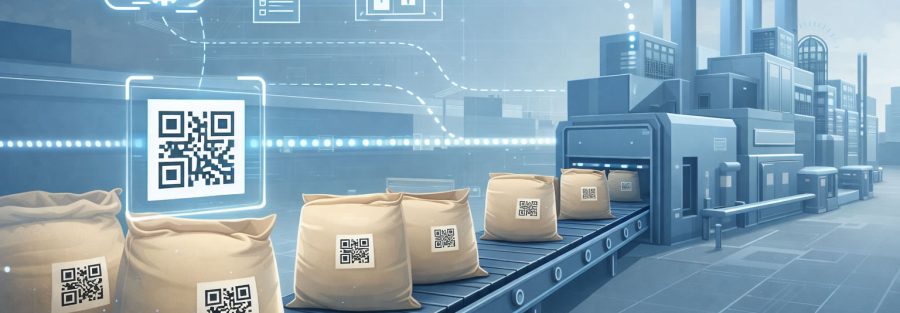
Agriculture has long relied on relationships, paper records, and fragmented information to move food from farms to markets. While this system has worked for decades, it often creates inefficiencies, limits transparency, and makes it difficult for farmers, buyers, and partners to make informed decisions.
Today, digital farmer profiling is changing that.
By capturing accurate, real-time data about farmers and their farms, agricultural value chains are becoming more connected, transparent, and efficient than ever before.
What is Digital Farmer Profiling?
Digital farmer profiling is the process of registering and recording verified information about farmers using mobile or web technology. This includes:
-
Farmer identity and contact details
-
Farm location and GPS mapping
-
Land size and production capacity
-
Crops or livestock grown
-
Cooperative or group membership
-
Historical production data
Instead of scattered spreadsheets or paper forms, all this information is stored securely in one digital system, accessible to authorized stakeholders.
Why Traditional Systems Fall Short
Many agricultural programs still struggle with:
-
Inaccurate farmer lists
-
Duplicate or missing records
-
Unknown farm locations
-
Poor production forecasting
-
Limited traceability
-
Difficulty distributing inputs or services
Without reliable data, it becomes harder to plan, finance, or scale agricultural operations.
How Digital Profiling Improves the Value Chain
1. Better Planning and Advisory
When agronomists know exactly what farmers grow and where they are located, they can provide targeted advice. Weather alerts, pest management tips, and input recommendations become more precise and timely.
2. Efficient Input Distribution
Organizations can distribute seeds, fertilizers, or equipment based on verified farm sizes and crop types, reducing waste and ensuring fairness.
3. Stronger Market Linkages
Buyers and aggregators gain visibility into available supply. They can confidently plan procurement, organize logistics, and build direct relationships with producers.
4. Financial Inclusion
With verified production records, farmers become more “bankable.” Financial institutions can assess risk better and provide loans, insurance, or credit facilities with confidence.
5. End-to-End Traceability
Knowing who produced what and where it came from increases transparency. This is especially important for exporters, regulators, and consumers demanding responsible sourcing and food safety compliance.
6. Data-Driven Decision Making
Governments, NGOs, and agribusinesses can analyze trends such as yields, crop distribution, and farmer performance to design better programs and policies.
Impact on Farmers
Digital profiling doesn’t just benefit institutions — it directly empowers farmers:
-
Easier access to markets
-
Faster payments
-
Improved support services
-
Inclusion in contracts and cooperatives
-
Greater visibility and recognition
When farmers are digitally visible, opportunities become accessible.
The Role of Platforms Like AgroTrack
At AgroTrack, we believe that accurate farmer data is the foundation of a stronger agricultural ecosystem.
By enabling farmer registration, GPS farm mapping, cooperative integration, and traceability, we are building a system that connects every actor across the value chain — from farmers and advisors to buyers, exporters, and financial partners.
Because when information flows smoothly, agriculture grows sustainably.
Looking Ahead
As agriculture continues to modernize, digital farmer profiling will no longer be optional — it will be essential. Organizations that invest in reliable farmer data today will be better prepared to compete, comply, and scale tomorrow.
The future of agriculture is connected, transparent, and data-driven — and it starts with knowing the farmer.