
Farmer onboarding is often seen as a “startup cost” — a one-time effort to build your registry.
But in reality, it’s a recurring operational tax — paid in time, errors, rework, and lost trust.
Most teams don’t track it. But the numbers tell a clear story:
- Field officers spending 40% of their week re-collecting lost forms
- Duplicate entries inflating program costs by 15–25%
- Delayed payments due to mismatched IDs — eroding farmer trust
- Audit failures traced back to outdated or missing plot data
The true cost? Not just money — speed, scale, and credibility.
🔍 What “Manual” Really Looks Like (Even When You Think You’re Digitized)
|
Activity
|
“Digital” but Still Manual
|
Hidden Impact
|
|---|---|---|
|
Farmer Registration
|
Tablet forms emailed to HQ → re-keyed into Excel/ERP
|
2–3 days delay; 12% error rate (pilot data)
|
|
GPS Mapping
|
Field agent marks location on phone → screenshot sent via WhatsApp
|
Coordinates lost; no polygon boundaries; no sync
|
|
Group Management
|
Paper lists of clusters → typed into system monthly
|
Outdated hierarchies; missed trainings or payouts
|
|
ID Issuance
|
Printed cards with handwritten numbers
|
Duplicates, fraud, no link to future activity
|
This isn’t “low-tech.” It’s high-friction — and it scales worse the more you grow.
✅ How Leading Aggregators Are Cutting Onboarding Costs by 70%
They’re not buying expensive hardware. They’re not mandating smartphones.
They’re adopting orchestrated digitization — where data flows once, and serves many.
1. One-Time, Offline-First Capture
Using lightweight tools that work without internet, field agents now:
- Register farmers + map plot boundaries in <5 minutes
- Assign unique digital IDs (scannable, not handwritten)
- Sync data automatically when back online
→ No re-keying. No WhatsApp screenshots. No “I’ll send it later.”
2. Built-In Validation, at the Source
Instead of catching errors in HQ, the system now flags issues in the field:
- Duplicate names + locations → instant alert
- Missing GPS → block submission
- Inconsistent group assignments → suggest correction
→ Data quality improves at point of entry — not in post-audit panic.
3. Re-Use, Don’t Re-Enter
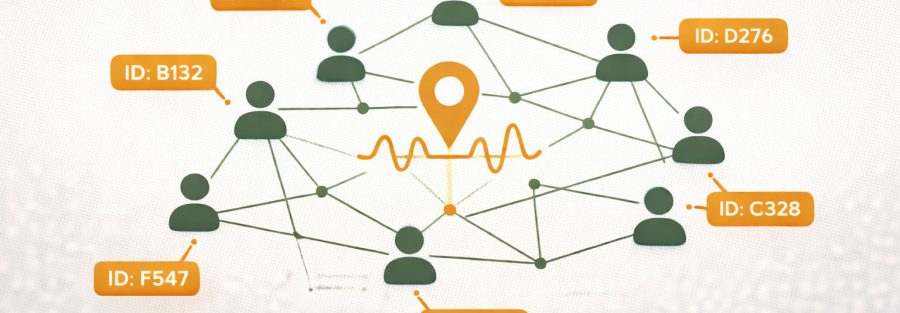
A farmer registered once becomes a verified node in the ecosystem:
- Same ID used for deliveries, input purchases, payments, insurance
- No re-onboarding for new programs or seasons
- Cooperatives share (with consent) — no duplicate efforts